
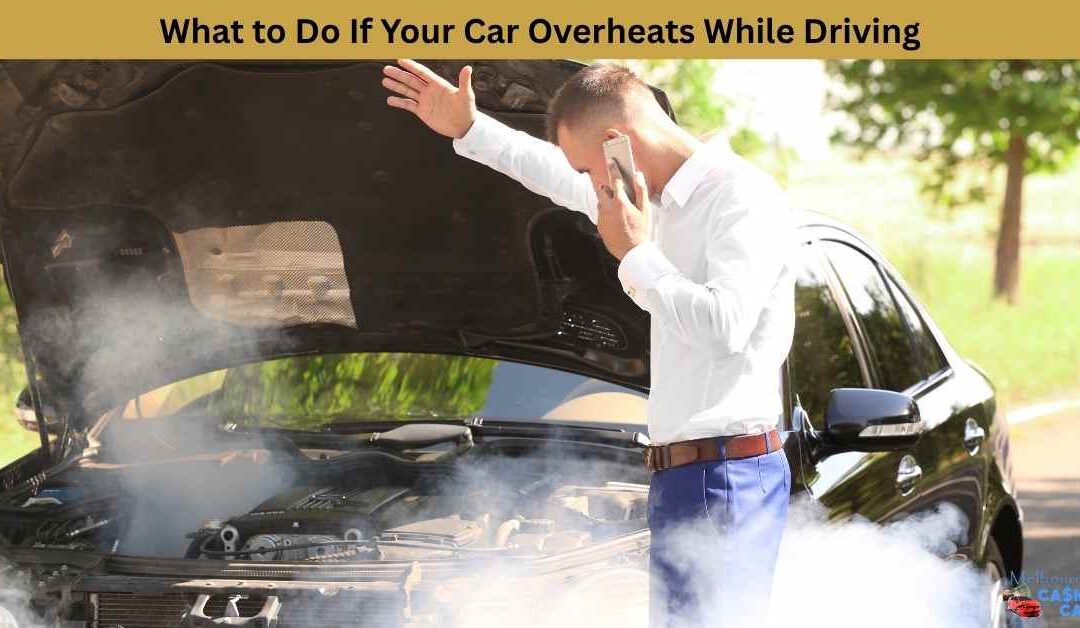
Car overheating can be stressful, especially if it happens while you’re on the road. Ignoring it can cause serious engine damage, but knowing what to do can keep you safe and prevent costly repairs. With a clear plan, you can handle overheating calmly and effectively.
Understanding the steps to take can help you protect both yourself and your car.
How to recognise engine overheating
The first step is recognising the signs before it’s too late. Common indicators include:
- Temperature gauge rising into the red zone
- Steam or smoke coming from under the hood
- Warning lights on the dashboard
- Strange smells, like burning coolant or oil
If any of these appear, it’s time to take action immediately.
Immediate steps to take on the road
If your car starts to overheat while driving:
- Pull over safely: Move to the side of the road or a safe area
- Turn off the air conditioning: Reduces load on the engine
- Turn on the heater: Helps draw heat away from the engine
These actions can prevent further damage while you assess the situation.
Never open the radiator cap immediately
It might be tempting to open the radiator cap to check coolant, but this is dangerous:
- Hot coolant can spray out and cause burns
- Wait until the engine has cooled down completely
- Use gloves or a thick cloth if you must check coolant later
Safety comes first when dealing with an overheating engine.
Check coolant and fluids
Once the engine has cooled:
- Inspect coolant levels and top up if necessary
- Check for leaks in hoses or the radiator
- Look for oil or other fluid problems that might cause overheating
Low coolant or leaks are often the main cause of overheating.
Call for roadside assistance if needed
If the car continues to overheat or you’re unsure of the problem:
- Don’t attempt to drive it further
- Contact a tow truck or roadside service
- Professional help prevents further damage and keeps you safe
Towing your vehicle is much safer than risking engine failure on the road.
Preventing future overheating
Regular maintenance is the best way to avoid overheating problems:
- Check coolant levels routinely
- Inspect hoses, belts, and radiator for wear
- Flush and replace coolant according to your manufacturer’s schedule
- Avoid pushing the engine too hard in extreme heat
Preventive care keeps your engine running cooler and more reliably.
When to see a mechanic
Even if your car seems fine after an overheating incident, it’s wise to have it checked. Overheating can cause:
- Warped cylinder heads
- Damaged gaskets
- Reduced engine performance
A professional inspection ensures your engine hasn’t sustained hidden damage.
Being prepared for an overheating situation can save you money, stress, and time. By recognising warning signs, acting quickly, and following safety steps, you can protect your vehicle and get back on the road safely. Regular maintenance and attentive driving habits are key to preventing overheating in the first place.
If you are in Keysborough, and looking to sell your car, below is the best way to visit us.
Contact us at
Unit 3/2 Lace St
Eumemmerring VIC 3177
(03) 9067 7578